What is there to do in Mancora besides surfing?
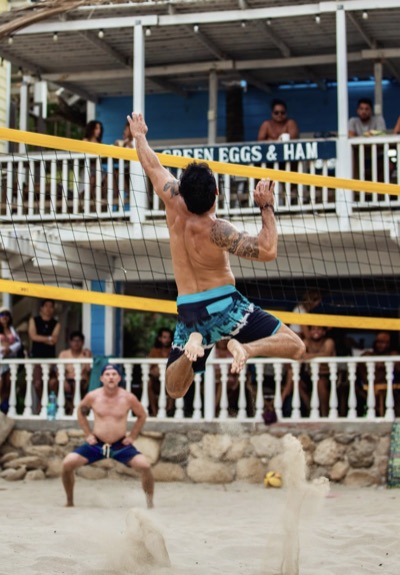
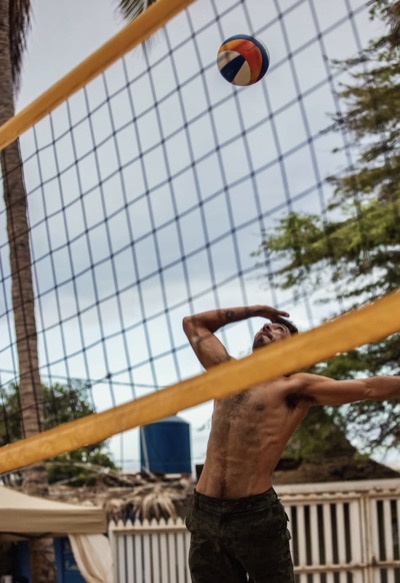
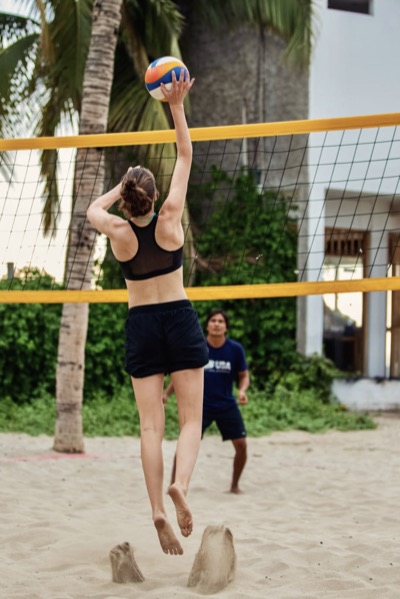
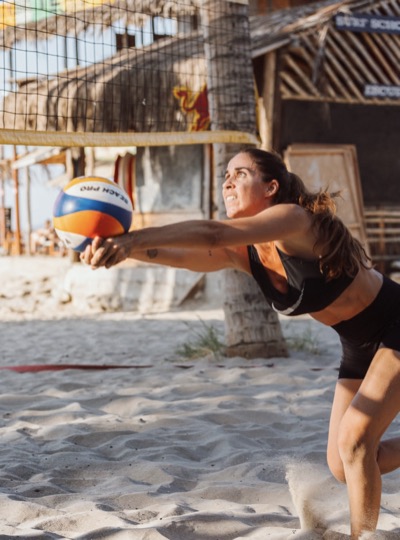
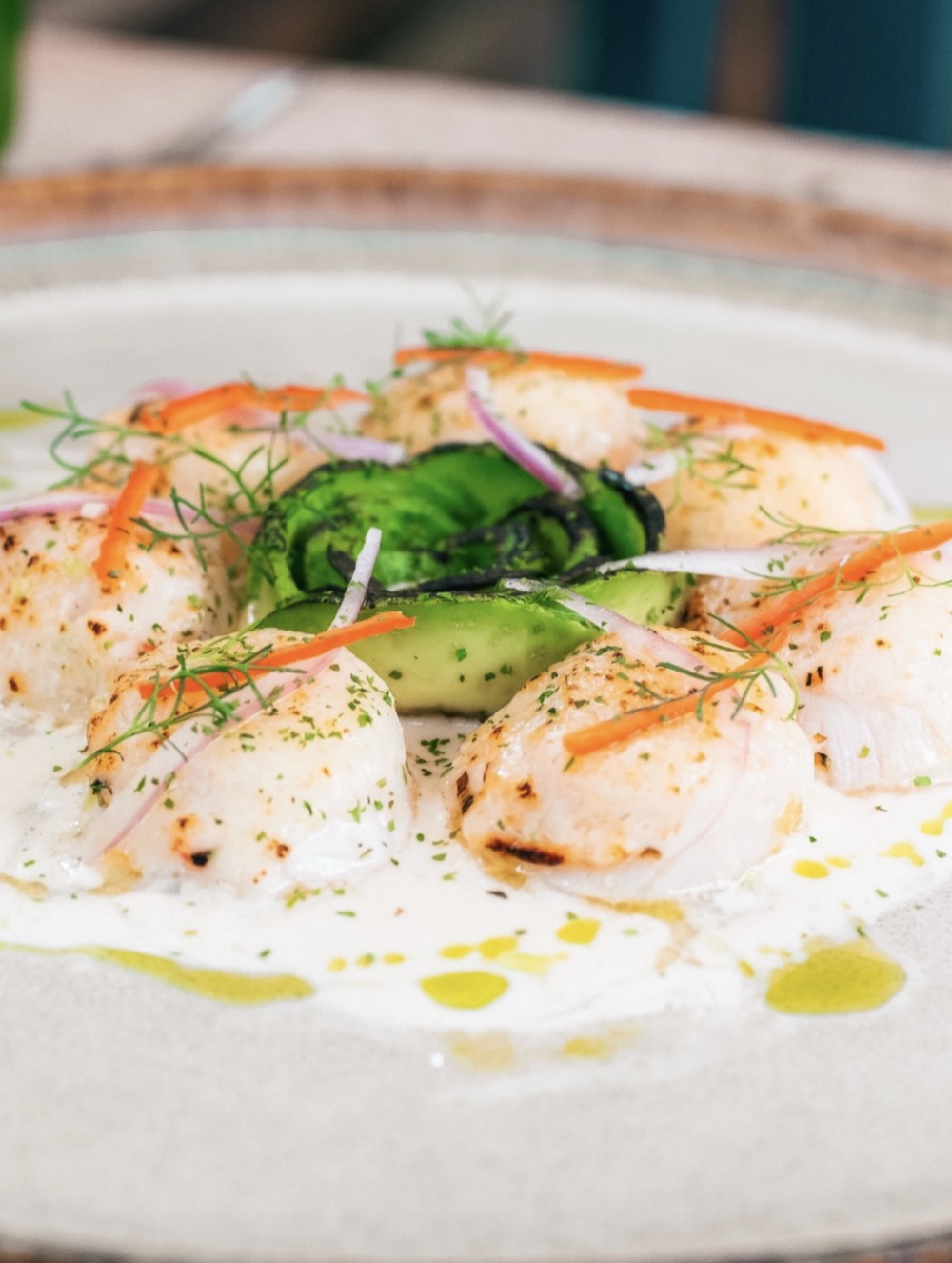
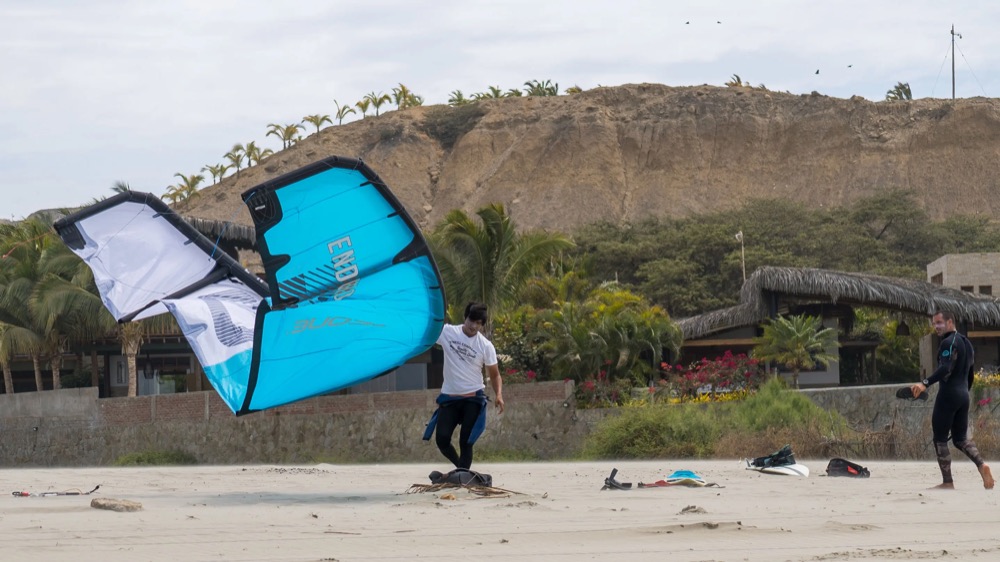
Kitesurfing when the wind is up, beach volleyball every evening, whale watching in the southern winter, diving and fishing out of Los Órganos and Cabo Blanco, and a main street of cevicherías. The town is small, so most of it is within a walk.
Is Mancora good for solo travellers?
Yes, and it is one of the easier places in Peru to arrive alone. It is small, everything is walkable, and the activities are the kind you join rather than watch — a surf lesson or an evening of open volleyball puts you with people within an hour of arriving.
How do I get to Mancora?
Fly to Talara, about an hour away by road, or Tumbes, about two hours and usually better served. Overnight buses also run up the coast from Lima, and take somewhere in the region of eighteen hours.
When is the best time of year to visit Mancora?
There is no bad month. Mancora sits close to the equator, so the water stays warm and the sun holds up year-round. The wind for kitesurfing and the humpback migration both fall in the middle of the year, so that window gives you the most to do.
How many days do you need in Mancora?
Three or four is enough to surf, eat well and play a couple of evenings of volleyball. A week is better, because the wind, the swell and the whales do not all line up on the same day, and a longer stay lets you take whatever the morning gives you.
Where can I train jiu-jitsu in Mancora?
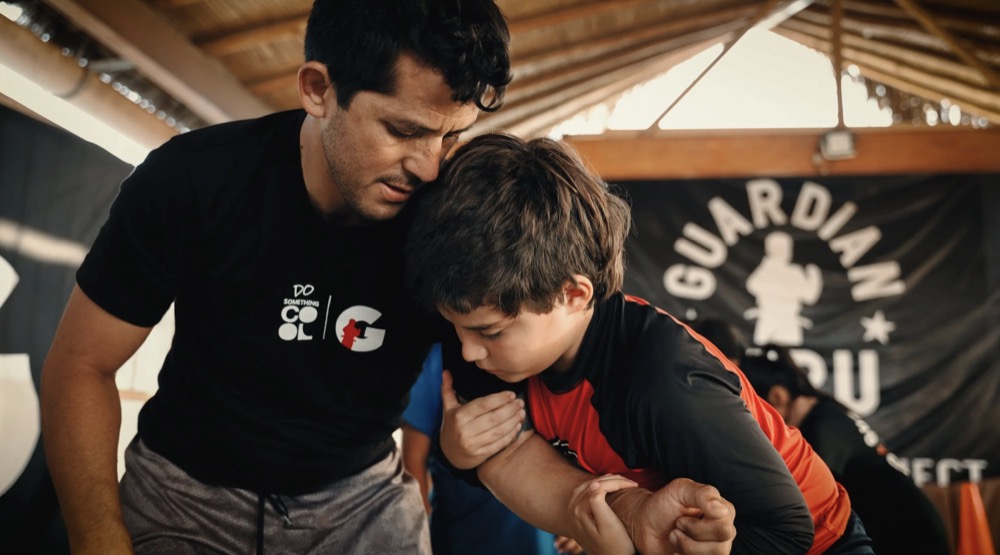
At Guardian Peru, which has its headquarters here. It is a nonprofit that trains local kids for free, in a purpose-built academy in town, and it welcomes visiting travellers onto the mats. Contact them before you come rather than turning up cold.
Do I need to speak Spanish in Mancora?
No. Mancora has had international travellers for years, so English gets you through the hostels, the surf schools and most of the restaurants. A little Spanish still goes a long way with mototaxi drivers and the smaller cevicherías, and people are patient with beginners.
Do you need to book beach volleyball in advance?
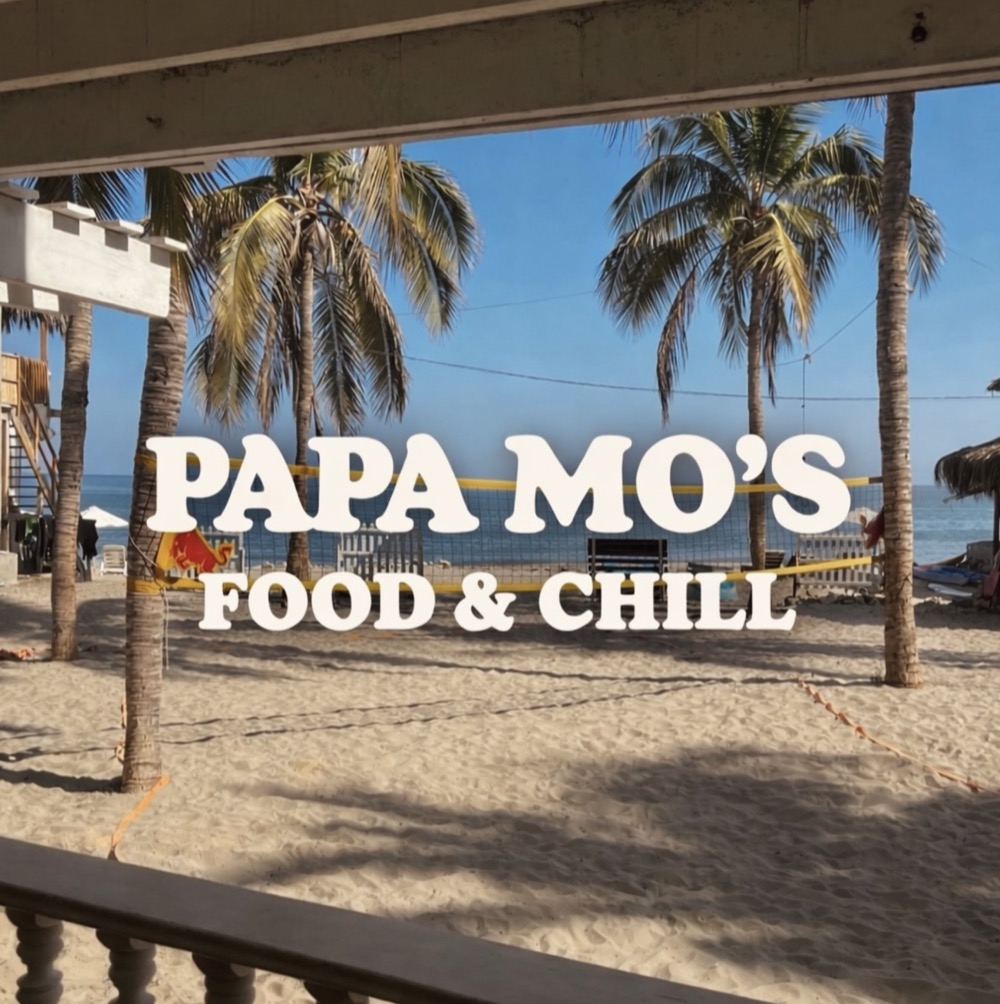
Not for open play. It runs every evening from 6:30 and you can simply turn up — no partner and no level required. Classes are worth messaging about beforehand, because they are graded and the group sizes are kept small.
What should I pack for Mancora?
Less than you think. The water is warm enough that a wetsuit is unnecessary most of the year, and the town is casual to the point of barefoot. Bring real sun protection and something for your feet on hot sand — the sun this close to the equator is stronger than it feels in the breeze.
Can you swim with sea turtles near Mancora?
Yes — at the pier in El Ñuro, about half an hour south of Mancora, where green sea turtles gather around the fishing boats. You can get in the water with them. Go in the morning, and keep your distance rather than reaching for them; they will come closer on their own.
What is the best beach in Mancora?
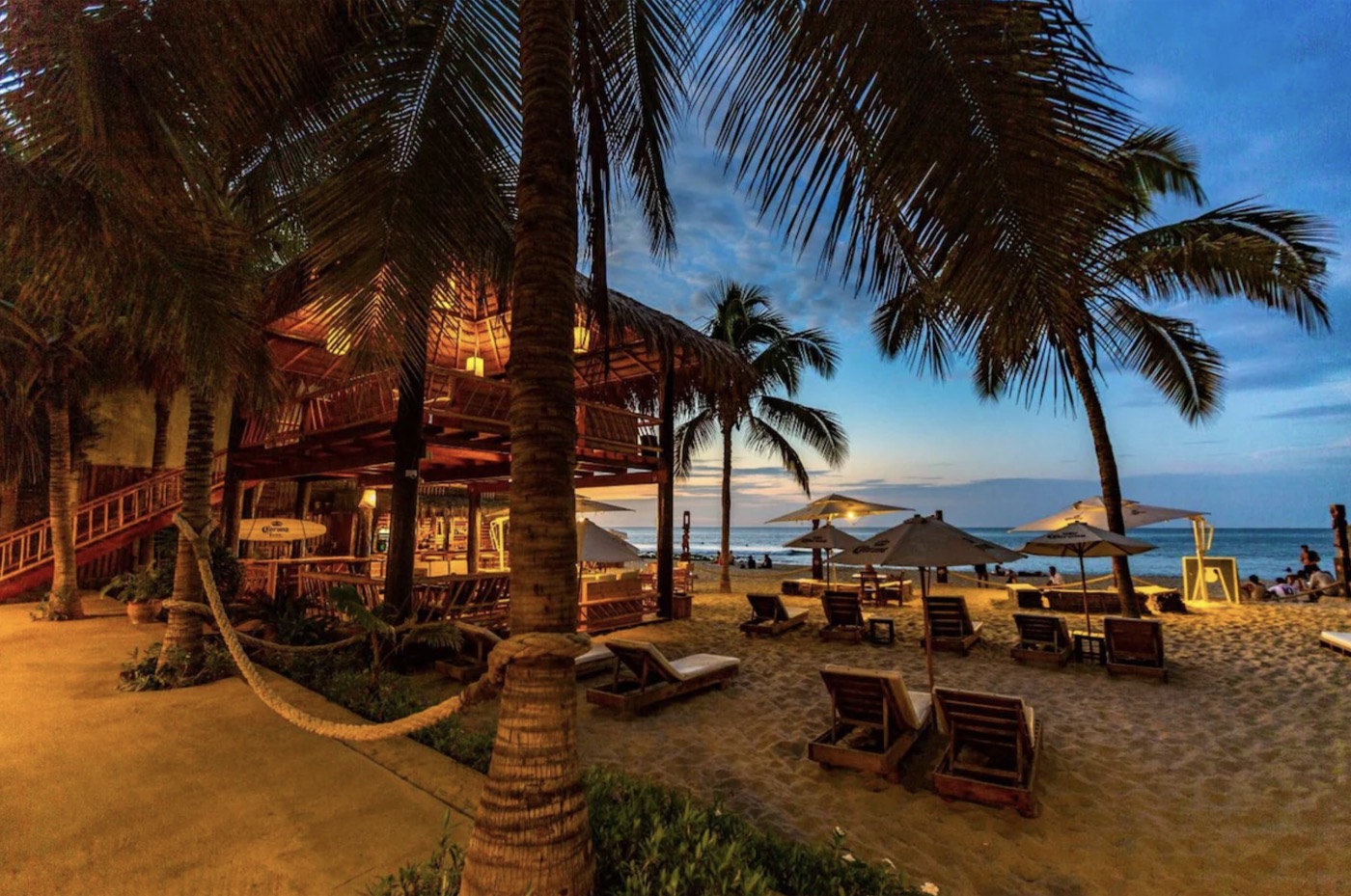
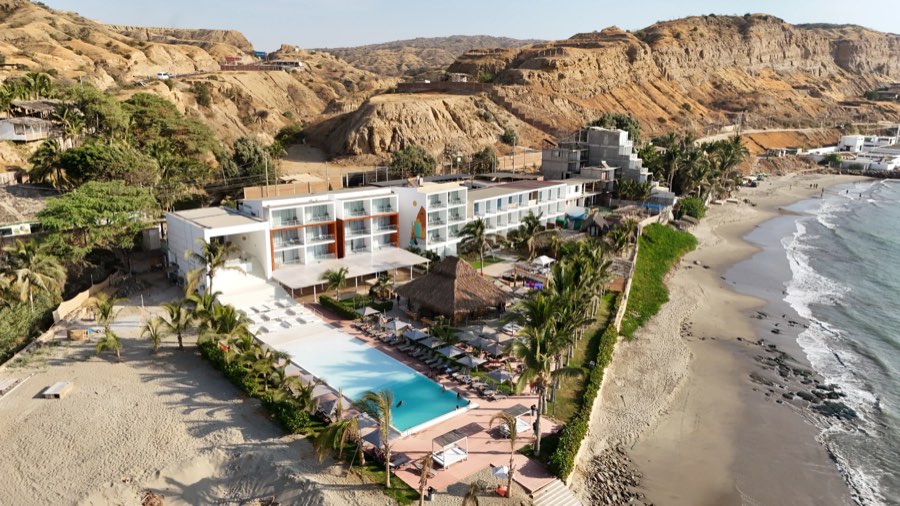
The main beach in town, honestly. It is the busiest, and that puts some people off, but it has the warmest swimming, the most to walk to and the best evening. If you want quiet, Las Pocitas is twenty minutes south along the sand and much calmer, and Los Órganos twenty minutes down the coast is quieter again.
 Kitesurf
 Kitesurf